 Source: insightland.org
The Indispensable Role of llms.txt in the Age of Large Language Models
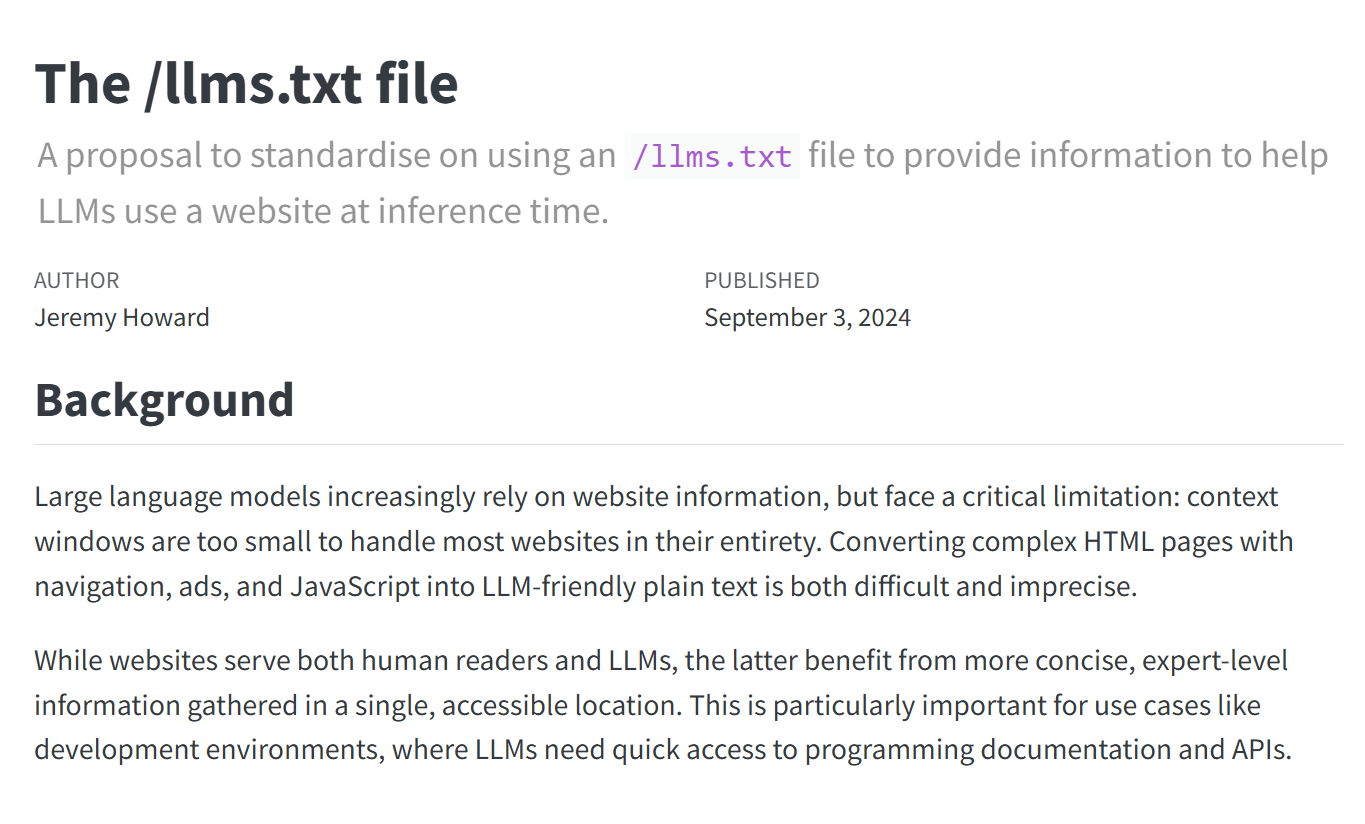
In the burgeoning landscape of artificial intelligence, Large Language Models (LLMs) have emerged as powerful tools with transformative potential. These models, capable of generating human-quality text, translating languages, and answering complex questions, are increasingly integrated into diverse applications. As the deployment of LLMs expands, ensuring transparency and responsible AI practices becomes paramount. This is where the llms.txt file steps in as a crucial mechanism for disclosing the use of LLMs in digital content. This article will delve into the importance of llms.txt, its purpose, how to generate it, the significance of LLMS-full.txt, and the differences between the two.
 Source: ahrefs.com
What is llms.txt and Why is It Important?
The llms.txt file is a plain text file placed in the root directory of a website, similar in concept to robots.txt or security.txt. Its primary purpose is to declare the use of Large Language Models in the creation or modification of content on that website. This declaration is intended to enhance transparency and inform users about the potential involvement of AI in generating the text they are consuming.
Importance of llms.txt
- Transparency: In an era where AI-generated content is becoming increasingly prevalent,
llms.txtprovides a clear signal to users, search engines, and other automated systems about the use of LLMs. This transparency builds trust and allows users to make informed decisions about the content they interact with. - Accountability: By declaring the use of LLMs, website owners and content creators take responsibility for the AI-generated content they publish. This accountability is vital for addressing issues such as misinformation, plagiarism, and bias that may arise from the use of LLMs.
- Compliance: As regulations and guidelines around AI usage become more stringent,
llms.txtcan serve as a means of demonstrating compliance with disclosure requirements. It provides a standardized way to communicate the use of AI in content creation, making it easier for regulatory bodies and auditors to assess adherence to ethical and legal standards. - Improved Content Assessment: Search engines and other content aggregators can use
llms.txtto better understand the nature of the content they are indexing and displaying. This can lead to more accurate content assessment and ranking, ensuring that users are presented with relevant and trustworthy information. - Promotion of Responsible AI: The implementation of
llms.txtencourages responsible AI practices by promoting awareness and consideration of the ethical implications of using LLMs. It fosters a culture of transparency and accountability, which is essential for the sustainable development and deployment of AI technologies.
 Source: medium.com
How to Generate an llms.txt File
Creating an llms.txt file is a straightforward process. It involves defining the scope of LLM usage on your website and documenting the relevant information in a structured format. Here are the steps to generate an effective llms.txt file:
 Source: medical.uworld.com
Step 1: Assess LLM Usage
Before creating the file, carefully assess how Large Language Models are used on your website. Identify all areas where LLMs are employed in content creation, modification, or curation. This assessment will help you accurately represent the extent of AI involvement in your content.
 Source: blogs.mathworks.com
Step 2: Choose an llms.txt Generator or Manual Creation
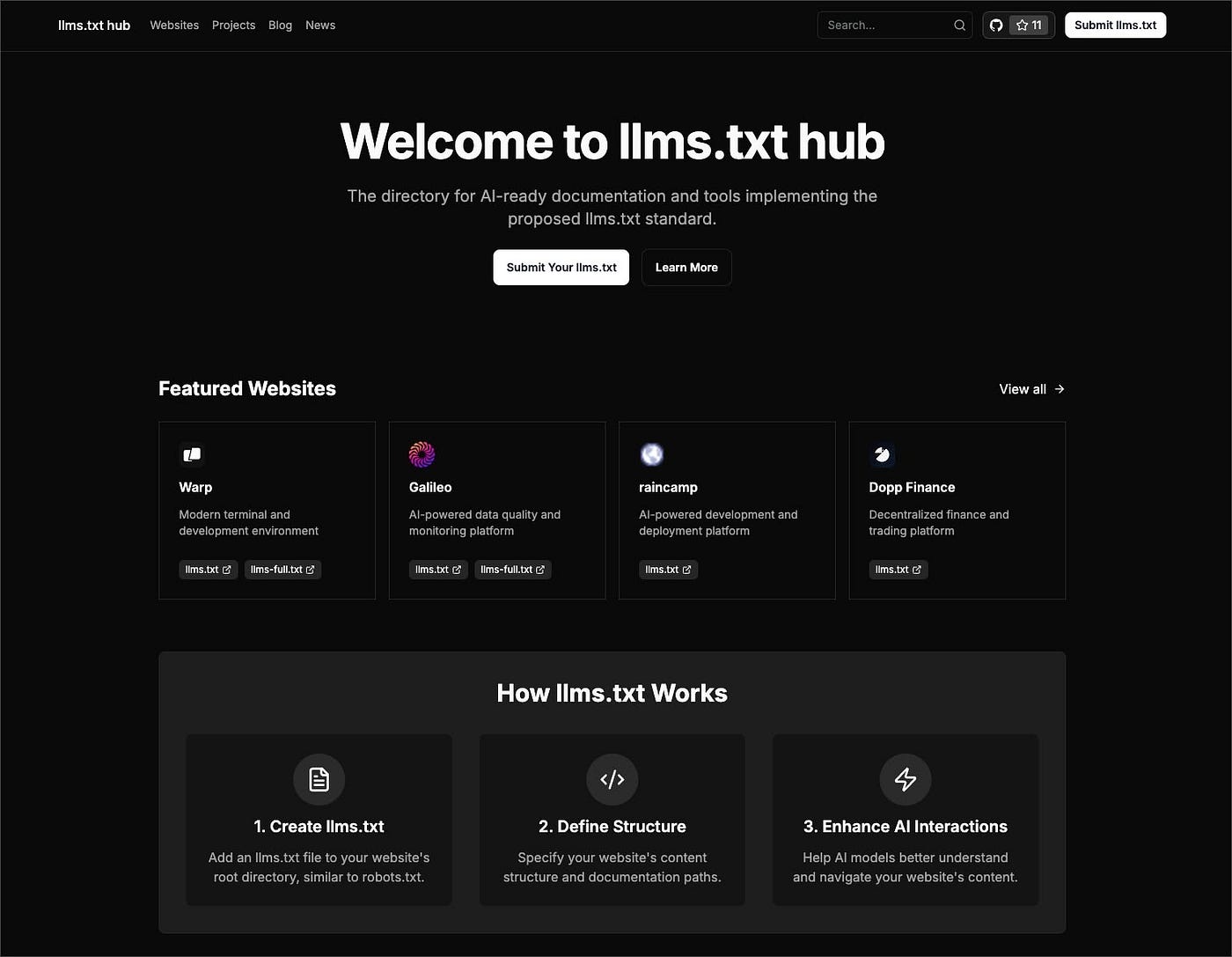
You can either use an llms.txt generator tool or create the file manually. Several online tools, such as llmstext.dev, offer user-friendly interfaces for generating llms.txt files. Alternatively, you can create the file manually using a text editor.
Using an llms.txt generator (e.g., llmstext.dev)
- Visit the
llms.txt generatorwebsite (e.g.,llmstext.dev). - Fill out the required information, such as the website's domain, contact information, and details about LLM usage.
- Review the generated
llms.txtcontent. - Download the file.
Manual Creation
- Open a plain text editor (e.g., Notepad, TextEdit, VS Code).
- Create the content according to the structure outlined below.
- Save the file as
llms.txt.
 Source: medium.com
Step 3: Structure of llms.txt
The llms.txt file should follow a clear and consistent structure to ensure it is easily parsable by both humans and machines. A basic llms.txt file includes the following elements:
- Scope: Define the scope of LLM usage on your website. Specify whether LLMs are used for generating articles, product descriptions, customer support responses, or other types of content.
- Contact Information: Provide contact information for inquiries related to LLM usage. This can be an email address or a link to a contact form.
- Models Used: List the specific Large Language Models used in content creation. Include the names and versions of the models, if available.
- Date of Last Update: Include the date when the
llms.txtfile was last updated. This helps ensure that the information is current and accurate.
Here is an example of a basic llms.txt file:
# llms.txt
# This file declares the use of Large Language Models on this website.

Scope: Articles, blog posts, and product descriptions.
Contact: ai-disclosure@example.com
Models: GPT-4, Llama 2
Last Updated: 2024-06-15
 Source: livechatai.com
Step 4: Upload llms.txt to Your Website
Once you have created the llms.txt file, upload it to the root directory of your website. This ensures that it is accessible at the base URL (e.g., www.example.com/llms.txt).
 Source: docs.prowler.com
Step 5: Verify Accessibility
Verify that the llms.txt file is accessible by visiting the URL in your web browser. Ensure that the content is displayed correctly and that there are no errors.
 Source: nap.nationalacademies.org
Step 6: Maintain and Update
Regularly review and update the llms.txt file to reflect any changes in LLM usage on your website. Keep the information current and accurate to maintain transparency and accountability.
 Source: www.withdaydream.com
What is LLMS-full.txt and How is It Different?
While llms.txt provides a basic declaration of LLM usage, LLMS-full.txt offers a more comprehensive and detailed disclosure. The LLMS-full.txt file is designed to provide granular information about the specific contexts and methods of LLM usage on a website.
 Source: mintlify.com
Key Differences Between llms.txt and LLMS-full.txt
- Level of Detail:
llms.txtoffers a high-level overview of LLM usage, whereasLLMS-full.txtprovides detailed information about the specific applications of LLMs. - Scope of Information:
llms.txtincludes basic information such as scope, contact details, models used, and the last updated date.LLMS-full.txtexpands on this by including details such as the specific prompts used, the percentage of content generated by LLMs, and the methods used to ensure quality and accuracy. - Complexity:
llms.txtis simple and easy to create and understand.LLMS-full.txtis more complex and requires a more thorough understanding of LLM usage and its implications.
 Source: wordpress.org
Content of LLMS-full.txt
A LLMS-full.txt file typically includes the following information:
- Detailed Scope: A breakdown of the specific types of content generated or modified by LLMs (e.g., articles, product descriptions, social media posts).
- Specific Models Used: The exact names and versions of the LLMs used, along with any relevant details about their configuration and training.
- Prompts and Inputs: Examples of the prompts and inputs used to generate content, demonstrating the nature of the AI's involvement.
- Percentage of Content Generated by LLMs: An estimate of the percentage of content that is generated or modified by LLMs.
- Quality Assurance Methods: A description of the methods used to ensure the quality, accuracy, and appropriateness of LLM-generated content.
- Human Oversight: Details about the level of human oversight involved in the content creation process, including editing, fact-checking, and review procedures.
- Bias Mitigation: Information about the measures taken to mitigate bias in LLM-generated content, such as data filtering, prompt engineering, and model fine-tuning.
- Contact Information: Contact details for inquiries related to LLM usage, including a dedicated email address or contact form.
- Terms of Use: A link to the website's terms of use, which may include specific provisions related to AI-generated content.
- Privacy Policy: A link to the website's privacy policy, which should address the collection, use, and protection of data related to LLM usage.
- Date of Last Update: The date when the
LLMS-full.txtfile was last updated.
Here is an example of a LLMS-full.txt file:
# LLMS-full.txt
# This file provides detailed information about the use of Large Language Models on this website.

Detailed Scope:
  - Articles: LLMs are used to generate initial drafts of articles, which are then edited and fact-checked by human editors.
  - Product Descriptions: LLMs are used to generate product descriptions based on product specifications and features.
  - Social Media Posts: LLMs are used to generate captions and content for social media posts.

Specific Models Used:
  - GPT-4 (Version: 2024-03-14)
  - Llama 2 (Version: 70B)

Prompts and Inputs:
  - Article Prompt Example: "Write a 500-word article about the benefits of using renewable energy."
  - Product Description Input Example: "Product: Solar Panel; Specifications: 300W, Monocrystalline; Features: High Efficiency, Durable"

Percentage of Content Generated by LLMs:
  - Articles: 60%
  - Product Descriptions: 80%
  - Social Media Posts: 90%

Quality Assurance Methods:
  - Human editors review and edit all LLM-generated content.
  - Fact-checking is performed to ensure accuracy and reliability.
  - Content is reviewed for tone, style, and appropriateness.

Human Oversight:
  - All LLM-generated content is reviewed by human editors before publication.
  - Editors ensure that the content is accurate, unbiased, and aligned with the website's standards.

Bias Mitigation:
  - Data filtering is used to remove biased content from the training data.
  - Prompt engineering is used to guide LLMs towards generating unbiased content.
  - Model fine-tuning is performed to reduce bias and improve fairness.

Contact Information:
  - Email: ai-disclosure@example.com
  - Contact Form: www.example.com/contact-ai

Terms of Use:
  - www.example.com/terms-of-use

Privacy Policy:
  - www.example.com/privacy-policy

Last Updated: 2024-06-15
Source: www.withdaydream.com
When to Use LLMS-full.txt
LLMS-full.txt is particularly useful in scenarios where transparency and accountability are paramount. This includes:
- High-Stakes Content: When LLMs are used to generate content that could have a significant impact on users (e.g., news articles, financial advice, medical information).
- Regulated Industries: In industries subject to strict regulatory requirements (e.g., finance, healthcare),
LLMS-full.txtcan help demonstrate compliance with disclosure standards. - Research and Academic Purposes: For websites that publish research or academic content,
LLMS-full.txtcan provide valuable insights into the methods and tools used in content creation. - Building Trust: When organizations want to build trust with their audience by providing comprehensive information about their use of AI technologies.
 Source: mintlify.com
Best Practices for Implementing llms.txt and LLMS-full.txt
To maximize the effectiveness of llms.txt and LLMS-full.txt, consider the following best practices:
- Accuracy: Ensure that all information provided in the files is accurate and up-to-date. Regularly review and update the files to reflect any changes in LLM usage.
- Clarity: Use clear and concise language to describe the scope and methods of LLM usage. Avoid technical jargon that may be difficult for non-experts to understand.
- Transparency: Be transparent about the limitations of LLMs and the measures taken to mitigate potential risks. Disclose any known biases or inaccuracies in LLM-generated content.
- Accessibility: Make the files easily accessible by placing them in the root directory of your website. Ensure that they are properly formatted and can be read by both humans and machines.
- Compliance: Stay informed about relevant regulations and guidelines related to AI usage. Ensure that your
llms.txtandLLMS-full.txtfiles comply with these requirements. - User Feedback: Encourage users to provide feedback on LLM-generated content. Use this feedback to improve the quality and accuracy of your AI-driven content creation processes.
- Ethical Considerations: Continuously evaluate the ethical implications of using LLMs. Strive to use AI technologies in a responsible and ethical manner.
 Source: datawalk.com
The Role of llmstext.dev
As mentioned earlier, llmstext.dev is an example of an online tool that helps users generate llms.txt files. These tools typically offer a user-friendly interface that simplifies the process of creating and managing llms.txt files. By providing a structured framework and guidance, these tools can help ensure that the files are accurate, comprehensive, and compliant with best practices. While llmstext.dev is referenced here as an example, numerous similar tools and services may emerge as the adoption of llms.txt becomes more widespread.
Conclusion
The llms.txt and LLMS-full.txt files represent an important step towards transparency and accountability in the age of Large Language Models. By providing a clear and standardized way to disclose the use of LLMs in content creation, these files help build trust, promote responsible AI practices, and ensure compliance with evolving regulations. As LLMs continue to evolve and become more integrated into various aspects of digital life, the implementation of llms.txt and LLMS-full.txt will play a critical role in shaping the future of AI ethics and governance. By embracing these practices, organizations and content creators can demonstrate their commitment to transparency, accountability, and responsible AI innovation.
If you're using LLMs on your website, consider creating and implementing an llms.txt file today to enhance transparency and build trust with your audience. Learn more and generate your llms.txt file at tools like llmstext.dev.
Comments
Post a Comment