
Unlock the full potential of automated content creation with RapidTextAI Agentic Mode. This guide provides a strategic, multi-step pipeline for AI copywriting that transforms simple prompts into a robust, autonomous workflow for superior article writing. Discover how to systematically produce high-quality, SEO-optimized content with unparalleled consistency and efficiency, turning AI into a true collaborative partner for your content team.
 Source: translucentcomputing.com
What Is Agentic Mode and Why It Matters for AI Copywriting
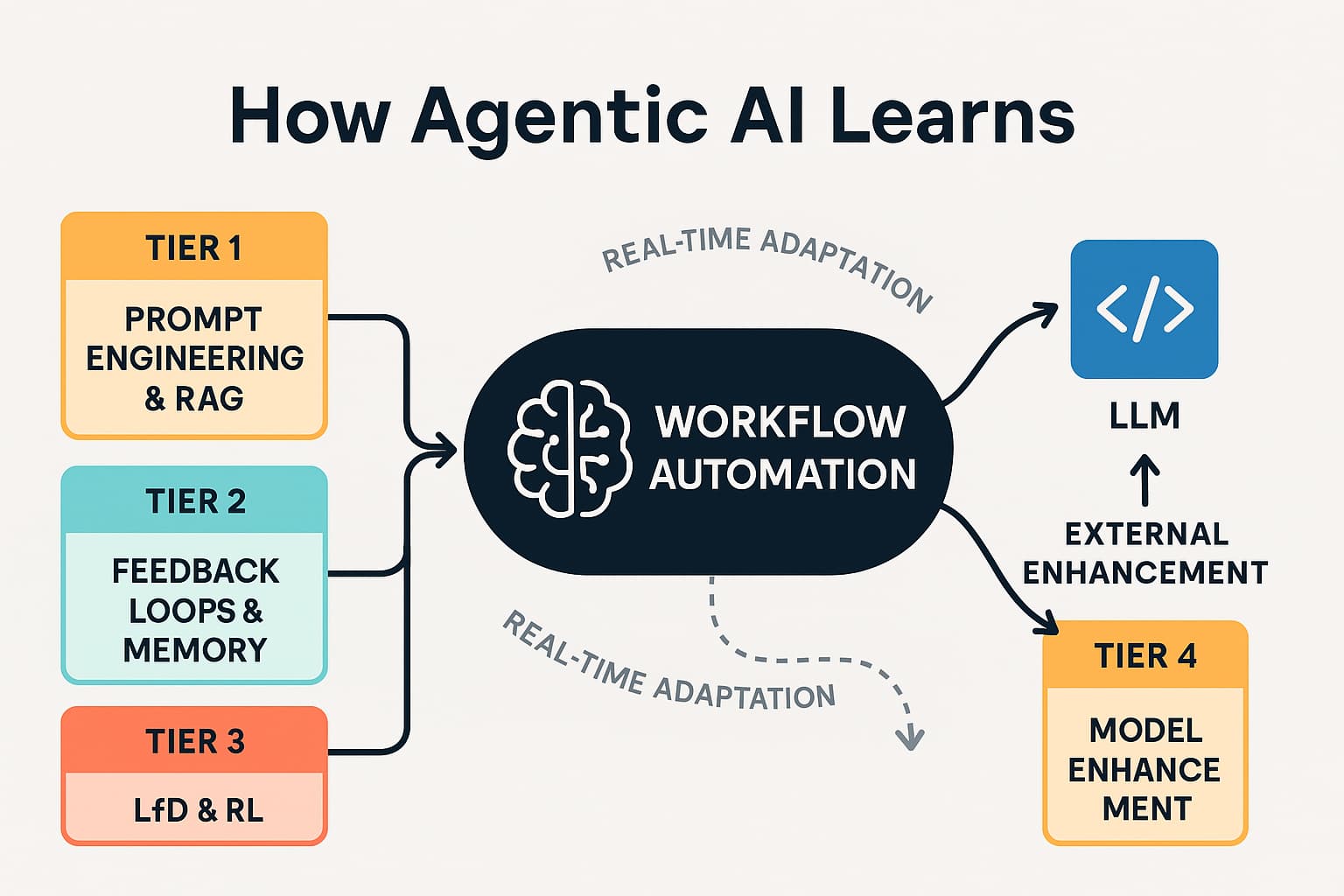
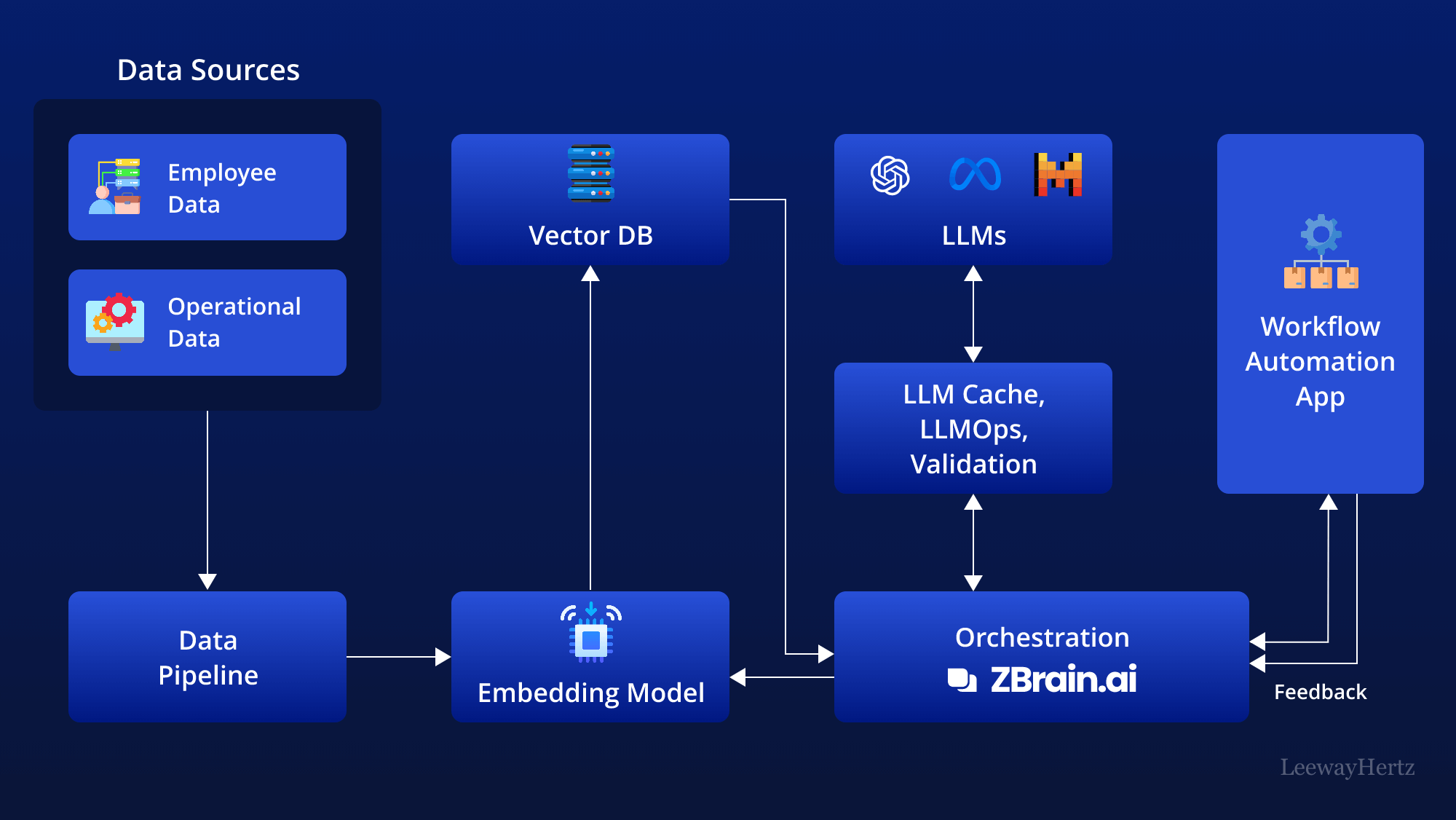
Agentic mode represents a fundamental evolution in AI copywriting, moving from single-command generation to a structured, multi-agent workflow. In this pipeline, specialized "agents" handle discrete stages of the article writing process—from initial drafting and critical evaluation to SEO optimization and final publishing. This method ensures each piece of content is systematically refined for maximum impact.
The core benefits of using an agentic workflow for content creation are significant:
- Consistency: Each step enforces brand voice and style rules, drastically reducing variance between outputs.
- Accountability: Explicit critique and revision stages create a transparent audit trail, making it easy to track changes and rationale.
- Efficiency: Parallelizable tasks, like SEO analysis and headline A/B testing, can reduce total time-to-publish by up to 40%.
- Quality: Iterative evaluation produces more accurate facts, better narrative flow, and stronger calls-to-action.
This structured approach provides the control and scalability that professional content operations and marketing teams require.
 Source: www.leewayhertz.com
Core Principles for Effective Agentic Workflows
Before diving into the step-by-step pipeline, establishing a strong foundation is crucial. These principles ensure your AI copywriting workflow is effective, ethical, and sustainable.

Strategic Guidelines for AI Users & Project Managers
- Set Clear Constraints: Define word count, tone, target keywords, and structure in the initial brief. The quality of the output depends on the clarity of the input.
- Embrace Iteration, Not Perfection: Use critique and revision agents as core components. Avoid overreliance on any single AI output.
- Mitigate Hallucinations: Implement a validation protocol. Always use critique agents to flag dubious claims and require factual statements to be sourced or cited.
Best Practices for Copywriters & Editors
- Adopt a Co-Pilot Mindset: Leverage AI for execution and ideation, but focus your human expertise on strategy, unique angles, and high-level insight.
- Maintain Editorial Oversight: Keep a human review step, especially for final brand voice alignment, nuanced messaging, and legal compliance.
- Accelerate Creativity: Use agentic mode to rapidly generate drafts, test multiple headline and CTA variants, and iterate faster than ever before.
Essential Ethical, Legal, and Brand Safeguards
- Prioritize Attribution: Verify and cite external facts. Use links and named sources for all statistics and third-party claims.
- Ensure Originality: Guard against improperly reproduced copyrighted material. Use plagiarism checks as part of your polish phase.
- Practice Transparency: Consider a brief, standard disclosure about AI-assisted creation where relevant for your audience.
- Enforce Brand Safety: Define clear content boundaries and forbidden topics. Configure critique agents to flag potential policy violations automatically.
The Multi-Step AI Copywriting Pipeline Explained
This seven-step cycle in RapidTextAI transforms a basic brief into optimized, ready-to-publish content. Here is a practical breakdown of each stage, including its goal, execution method, and key prompts.
1. Draft — Generate the Comprehensive Foundation
Goal: Produce a complete first draft that addresses the assignment brief, target audience, core messages, and structure for your article writing.
How to Run: Provide a structured brief to the draft agent. The focus here is on completeness, not perfection.
Draft Prompt Example: "Write a 1,500-word, authoritative article for marketing managers about leveraging AI for B2B content. The primary keywords are 'AI content strategy' and 'workflow automation'. Include a clear CTA to download a content planning template. Structure the draft with an introduction, H2 sub-sections, and a conclusion."
Quality Checklist:
- [ ] All required sections and arguments are present.
- [ ] Primary keywords are included naturally.
- [ ] Basic facts are sourced or marked for citation.
- [ ] The CTA is present in the body and conclusion.
2. Critique — Evaluate Against Strategic Objectives
Goal: Apply an automated, objective assessment of the draft’s accuracy, tone, structure, SEO alignment, and brand compliance.
How to Run: Use a critique agent configured with your style guide and brief objectives to generate a structured report.
Critique Prompt Example: "Evaluate this draft for factual accuracy, adherence to our professional yet approachable brand tone, keyword usage, structural logic, and CTA strength. Provide a report with 5 actionable items, ranked by impact, in the format: 'Issue: [Finding] — ACTION: [Specific fix].'"
Sample Critique Output:
- Tone: Slightly too casual in section two — ACTION: Replace colloquial phrases with more professional alternatives.
- Keyword Density: Low — ACTION: Increase usage of 'workflow automation' in H2 and paragraph 3.
- Fact-Check: Claim that 'AI can reduce content creation time by 70%' lacks a source — ACTION: Add citation or replace with a credible, sourced statistic.
- Structure: Introduction exceeds 250 words — ACTION: Tighten to 150-200 words for better reader engagement.
3. Revise — Implement Targeted Improvements
Goal: Address the specific items from the critique with precise edits, avoiding unnecessary full rewrites.
How to Run: The revision agent uses the critique report to make focused fixes: tightening sentences, inserting sources, refining voice, and removing redundancy.
Revise Prompt Example: "Apply the following critique points to the draft. Provide a concise changelog summarizing the edits made for each point: [Paste critique report]."
Best Practice: Prioritize high-impact changes (factual accuracy, CTA placement, SEO gaps) before moving to stylistic improvements.
4. SEO — Optimize for Discoverability and Search Intent
Goal: Ensure the article is both search-engine-friendly and aligned with user search intent to maximize organic traffic.
How to Run: An SEO agent analyzes and optimizes for on-page elements, readability, and semantic relevance.
SEO Prompt Example: "Optimize the provided article for SEO. Suggest a title tag (<60 chars) and meta description (150-160 chars) using the primary keyword 'AI content strategy'. Analyze H2/H3 structure for semantic keyword variants (LSI keywords). Recommend 2-3 relevant internal links to our related blog posts and 1-2 authoritative external links to industry reports. Provide an Article schema JSON-LD snippet."
Key SEO Actions:
- Optimize title tag and meta description.
- Ensure heading hierarchy (H1, H2, H3) includes keyword variants and related terms like 'content automation tools' and 'scaling content production'.
- Add internal links to relevant site content and external links to authoritative sources.
- Improve readability by breaking up long sentences and paragraphs.
5. Polish — Refine Readability and Professional Tone
Goal: Execute a final copy-edit to perfect grammar, syntax, flow, concision, and brand consistency.
How to Run: The polish agent performs micro-edits for clarity and professionalism.
Polish Prompt Example: "Perform a final copy-edit on this article. Correct grammar and punctuation. Ensure an active voice, consistent spelling (e.g., 'RapidTextAI'), and a formal tone. Shorten lengthy sentences and ensure paragraph breaks are logical. Suggest alt text for any described images."
Polish Checklist:
- [ ] Average sentence length is 15-20 words.
- [ ] No passive voice or ambiguous pronouns.
- [ ] Brand terminology is consistent.
- [ ] Image alt text and descriptive link text are provided.
6. Optimize Headings — Maximize Scanability and CTR
Goal: Refine headlines and subheadings to improve SEO value, readability, and potential click-through rates.
How to Run: A headline agent generates and scores multiple variants based on SEO, emotional impact, and length.
Headline Prompt Example: "Generate 5 variations for the main H1 headline and 3 variants for the key H2 'Implementing Your First Agentic Workflow'. Score each for SEO (keyword use), emotional impact (curiosity/benefit), and optimal length (H1 < 70 chars)."
Best Practices:
- Keep H1s under 70 characters.
- Use long-tail keywords in H2s for subtopic targeting.
- Incorporate power words or numbers in H3s where appropriate.
7. Publish — Finalize Metadata and Distribution
Goal: Prepare the finalized content for publication with correct technical metadata, schema, and distribution assets.
How to Run: The publishing agent assembles all required publishing components.
Publish Prompt Example: "Prepare this article for publication. Generate final meta title and description, canonical tag, and full Article schema JSON-LD. Create social sharing copy (120 chars for Twitter/X, 150 chars for LinkedIn). Suggest a final publishing checklist."
Publish Checklist:
- [ ] Meta title and description are set.
- [ ] Article schema JSON-LD is implemented.
- [ ] Image alt text and captions are final.
- [ ] Internal links and canonical tags are correct.
- [ ] Social sharing copy is ready.
Example Workflow: From Brief to Published Article
Brief: "Write a 2,000-word formal article about RapidTextAI Agentic Mode for AI users, copywriters, and designers. Include a CTA to 'Subscribe for Templates'."
- Draft: The draft agent produces a structured article with an introduction, sections tailored to each audience, and a conclusion with the CTA.
- Critique: The critique agent flags a missing source for a productivity statistic and notes the CTA is only in the conclusion.
- Revise: The revision agent adds a citation to a relevant Forbes article and inserts a softer CTA at the end of a key body section.
- SEO: The SEO agent suggests an optimized title, adds internal links to related workflow templates, and inserts an external link to an authoritative AI research page from MIT.
- Polish: The polish agent tightens verbose sentences, ensures consistent use of "RapidTextAI," and formalizes the tone.
- Headlines: The headline agent proposes 5 H1s; the team selects "Mastering RapidTextAI Agentic Mode: A Strategic Pipeline for High-Impact AI Copywriting."
- Publish: The publishing agent generates the Article schema, social media snippets, and a final checklist for the CMS.
Measuring Success and Iterating Your Workflow
To validate and improve your agentic pipeline, monitor these key performance indicators (KPIs):
Content Performance Metrics:
- Organic Traffic: Sessions and users from search engines.
- Engagement: Average time on page, scroll depth, and bounce rate.
- Conversions: CTA click-through and conversion rate (e.g., subscription rate).
- SEO Health: Keyword rankings for primary, secondary, and semantic terms.
- Audience Engagement: Social shares, comments, and backlinks earned.
Operational Efficiency Metrics:
- Editing Time: Human review time saved per article.
- Quality Consistency: Number of post-publication edits or corrections.
- Throughput: Articles published per week/month with the new workflow.
Integration Tip: Use RapidTextAI’s API to connect agents directly to your CMS for automated drafting and metadata injection. Maintain version control for article snapshots and agent configurations for full auditability and continuous workflow improvement.
Your Implementation Roadmap: Getting Started with Agentic AI
This actionable plan will help you deploy this AI copywriting pipeline successfully:
- Start with a Pilot: Choose one flagship article or a regular content series as your test case.
- Configure Your Agents: Adapt the prompt examples provided for each stage to match your specific brand voice and requirements.
- Run the Full Cycle: Execute the seven-step pipeline on your pilot article, ensuring human oversight at the critique and final polish stages.
- Monitor for Two Cycles: Publish the pilot and its successor. Collect data on both operational efficiency (time saved) and performance metrics (traffic, engagement).
- Adjust and Scale: Refine your agent prompts and critique criteria based on the results. Once quality and efficiency gains are proven, scale the workflow to other content types or teams.
Conclusion: Elevate Your Content Strategy with Agentic AI
Agentic mode transforms AI copywriting from an unpredictable tool into a repeatable, high-quality engine for scalable content production. By implementing the structured pipeline of draft, critique, revise, SEO, polish, optimize headings, and publish, teams gain remarkable efficiency without sacrificing editorial control or brand integrity. This intelligent process turns AI into a reliable co-pilot, allowing human creativity to focus on high-level strategy and unique insight.
Begin by centralizing your article writing workflow, drastically reducing editorial review cycles, and systematically enhancing content performance. To operationalize this guide, subscribe now for our ready-to-use agentic workflow templates, prompt libraries, and publishing checklists designed specifically for AI users, copywriters, and designers seeking a competitive edge.
Frequently Asked Questions (FAQ)
Q: What’s the main difference between agentic mode and standard AI prompting? A: Standard prompting typically yields a single, one-pass output. Agentic mode structures creation into a chain of modular, goal-specific agents that autonomously iterate, critique, and refine the content, ensuring higher quality, consistency, and better SEO outcomes.
Q: Can RapidTextAI fully automate the publishing process? A: RapidTextAI excels at workflow orchestration and generating publish-ready metadata and assets. For full automation, it can be integrated via API with your CMS or scheduling tools to handle final publication and distribution tasks.
Q: How do I prevent AI hallucinations in this workflow? A: The structured critique stage is your primary defense. Configure your critique agent to flag unsourced claims. Furthermore, maintain a human verification step for all factual assertions, statistics, and citations before final publication to ensure content accuracy.
Resources & Templates
Pipeline Checklist at a Glance: | Stage | Key Deliverable | Quality Gate | | :--- | :--- | :--- | | Draft | Complete first draft | CTA present, keywords included | | Critique | Actionable report | Factual flags, tone assessment | | Revise | Edited draft + changelog | All critique items addressed | | SEO | On-page optimization | Title/meta, headings, links, schema | | Polish | Copy-edited text | Grammar, tone, accessibility | | Headlines | A/B test variants | SEO & CTR scoring complete | | Publish | Final metadata & assets | Schema, social copy, CMS-ready |
Suggested Internal Links (Anchor Text):
- "AI writing templates" → /resources/ai-writing-templates
- "Editorial style guide" → /about/style-guide
- "Content calendar" → /resources/content-calendar
External Resources:
- RapidTextAI Platform
- Google Search Central for SEO fundamentals.
- OpenAI Documentation for model capabilities and best practices.
Comments
Post a Comment