Homeschooling for beginners starts with three simple steps: understand the legal requirements where you live, choose an approach that fits your child, and build a flexible routine you can adjust as you learn together. You do not need a teaching degree or a perfect plan to begin. You need curiosity, structure, and a willingness to observe your child closely.

This guide walks you through the decisions that matter most in the first year. We look at the main homeschooling styles, from structured academic programs to child-led learning inspired by the Montessori method, so you can see which one suits your family. We cover how to check homeschooling requirements, how to choose a homeschool curriculum without overspending or overcommitting, and how to design a homeschool schedule that supports steady progress and genuine rest.
We also address the parts beginners rarely anticipate: avoiding burnout, finding a supportive community, and planning a week that actually works on a Tuesday morning. Whether you are a parent teaching your own children, a Montessori teacher advising families, or a school manager exploring home learning as part of your programs, these principles apply. At our Home School, a two-month Zoom course for ages 3 to 12, we see the transformative power of small classes, tailored curriculum, and engaged parents working together. Consider this your starting point, and take each step at a pace that feels right for your child.
Getting Started
I begin every beginner conversation with a question rather than a plan: what does your child already want to know? Asking your children what they want to know is the best way to figure out how to homeschool, because their answers reveal the interests that will carry the whole year forward. A child who loves insects will happily read, count, draw and write about them for months. That curiosity becomes your compass.
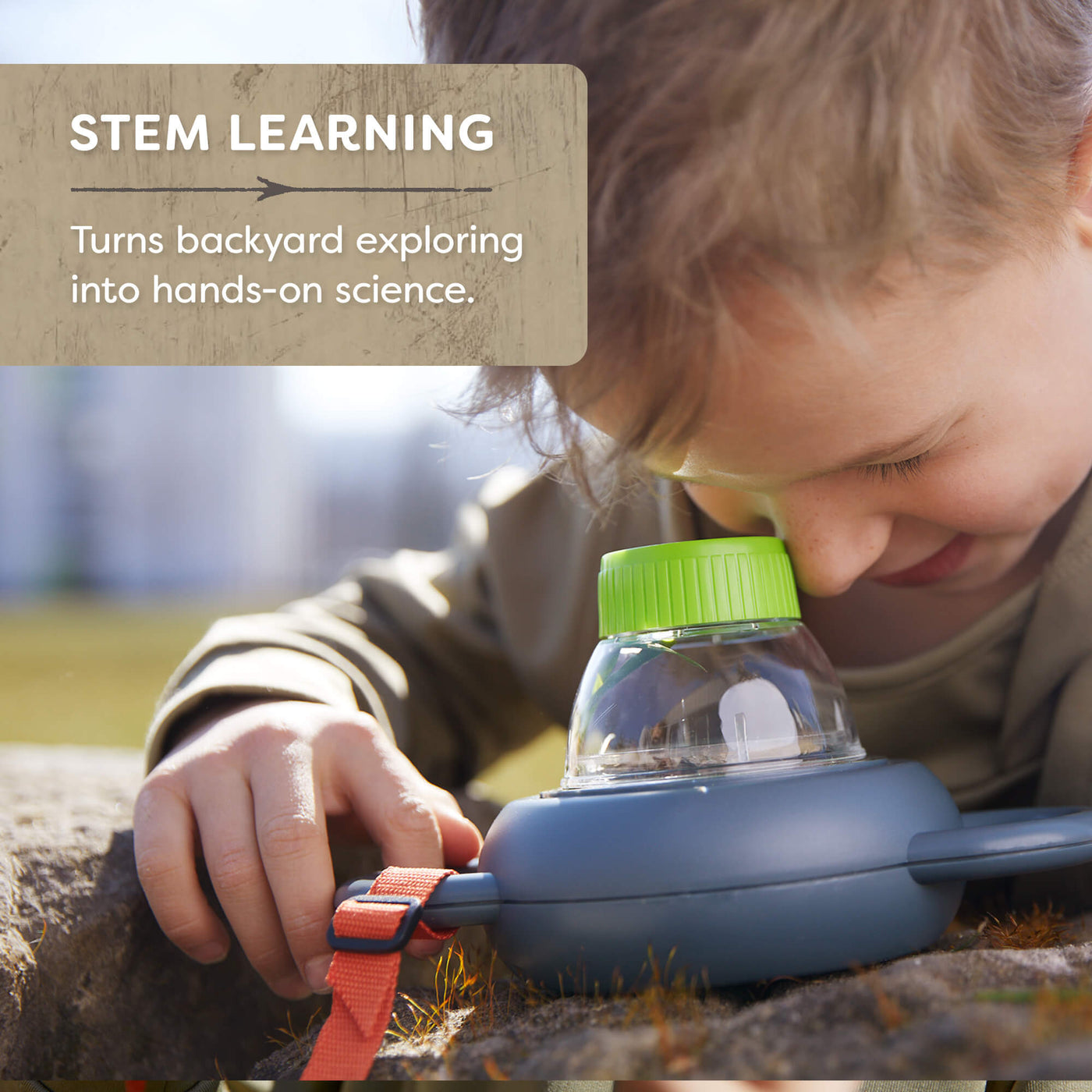
From there, spend a week simply observing. Notice when your child concentrates, what they avoid, and how they respond to noise, movement and quiet. These notes matter more than a shelf of workbooks, and they give you honest evidence for shaping a tailored plan around real strengths rather than assumptions.
A Simple First Week
Read aloud together every day and let your child choose the books.
Keep one short block for number work and one for language, then stop while interest is still high.
Leave space for art, craft and movement, which carry so much of early holistic development.
Write down one thing your child asked about, and follow it the next day.
You can refine your homeschool curriculum and your homeschool schedule as you go. Nothing needs to be perfect in week one. When families want a structured starting point, I point them to our Home School programme, a two-month Zoom course for children aged 3 to 12 with small class sizes, interactive sessions, engaging materials and experienced educators who nurture young minds. Families who complete it receive certification as an Award, a lovely way to mark the beginning of the journey.
Homeschooling Styles
Once you understand what your child is curious about, the next step is choosing a style that shapes your days. A homeschooling style is simply the philosophy that guides your choices, from the materials on your shelf to the rhythm of your week. I encourage beginners to read widely, then pick one approach as a starting point rather than a lifelong promise.

Most families I support settle into one of these broad approaches:
Montessori-inspired. You prepare a calm, ordered environment with hands-on materials and long, uninterrupted work cycles. Children choose meaningful activity within clear limits, and you observe rather than direct.
Structured or school-at-home. Textbooks, timetables and daily lessons give a familiar shape to the year. This suits families who feel steadier with a plan written down in advance.
Unit studies and project-based learning. One theme, such as oceans or ancient Egypt, weaves through reading, science, art and writing. Curiosity leads, and subjects connect naturally.
Eclectic. You borrow the parts that work from several approaches and adjust as your children grow. Many experienced home educators arrive here after a year or two of experimenting.
Your chosen style will shape your homeschool curriculum and the texture of your homeschool schedule, so let it stay flexible. One piece of advice I repeat often: don't rush out and spend a lot of money when starting to homeschool. Begin with what you own, notice what your children reach for, and add slowly.
If you would like to see a style in action before deciding, our Home School course runs for 2 months each June and July, with interactive Zoom sessions, engaging materials and experienced educators guiding children aged 3 to 12. It offers a supportive way to observe tailored teaching before you build your own nurturing and enriching learning environment at home.
Know the Law
Before you buy a single book or draft a timetable, take time to understand the legal side of home education. Rules vary widely from place to place. Every state is different when it comes to homeschooling laws, so it's important to know what you need to do, as one experienced home educator explains in her beginner's guide. What counts as full compliance in one region may look nothing like the requirements in another.
Start with a simple search for the official education authority that governs your area. Read their published guidance slowly, and note the practical details: whether you must register your intent to homeschool, what records you need to keep, which subjects are compulsory, and whether any assessment or reporting applies. Write your questions down as they arise. Then contact the authority directly and ask for clarification in writing, so you have a clear record to refer back to.
Homeschooling requirements often sound more intimidating on paper than they prove in practice. Most families find that a calm, organised approach covers everything asked of them. Keep a simple folder, digital or paper, for registration letters, attendance notes, samples of your child's work, and a short summary of what you covered each month. This habit takes minutes a week and gives you confidence if anyone ever asks for evidence of your programme.
When parents ask us at our Wapda Town Lahore home school how to start homeschooling, we always begin with the same advice: check your local rules first, then build your plan. Legal clarity frees you to focus on the joyful part, which is watching young minds grow. Once you know exactly what is expected, you can design a nurturing and enriching learning environment with a settled mind.
Choosing Curriculum
A homeschool curriculum is a tool, not a master. Before I compare packages or download samples, I ask three questions: How does this child learn best, what do I want them to carry into adulthood, and how much preparation can I realistically sustain each week? Your answers will narrow the field faster than any review site.
Start with your child, not the catalogue. A seven-year-old who builds, sorts and questions will thrive with hands-on materials, while a ten-year-old ready for debate may want structured reading and discussion. Look for resources that match that developmental stage and leave room for your own additions.
Know Your Options
Families settle into a few broad styles. The classical or traditional approach organizes learning around grammar, logic and rhetoric, and centers on classic texts and the Socratic method. Other families favor unit studies, nature-led learning, or a Montessori-inspired environment of prepared shelves and independent choice. None is superior. The right fit is the one you can teach with confidence and warmth.
Try Before You Commit
Request samples and teach one full week before purchasing a full year.
Check scope and sequence against your local homeschooling requirements, so nothing essential is missed.
Confirm the materials suit your budget, your space and your energy.
Remember to take time to de-school, because teaching your children isn't about replicating school in your home. Choose curriculum that supports curiosity, and adjust freely as you learn together.
Homeschool Methods
Once materials are chosen, I decide how the days will feel. A method is a repeatable pattern that turns good intentions into steady learning. The best one fits my child's temperament, my energy and the space we share at home.
Structured, Montessori-inspired days
Many beginners start with a gentle structure: a morning block, a break outdoors, a quieter afternoon. The Montessori method fits this rhythm well. I prepare shelves, offer real materials and protect uninterrupted work time, then let the child choose within clear limits. Lessons stay tailored to the child in front of me rather than to a printed calendar.
Interest-led learning
Some children need less scaffolding. Unschooling is a free-form model where learning is driven by the student's interest and curiosity. I notice what my child returns to again and again, then bring in books, kitchen experiments and outings that feed that interest. Trust grows on both sides, and learning feels lighter.
An eclectic mix
Most families I know end up blending methods. A structured morning with an interest-led afternoon works well. Friday can become an activity day for art, cooking or science projects, which keeps the week playful and gives everyone something to look forward to.
Community wisdom shortens the learning curve. Free blogs and forums help a great deal, and Simplehomeschool.net was a HUGE resource that helped one Reddit commenter in the beginning. I keep a one-page note of what worked each week and adjust as we go.
If you want to see these methods in practice, our Home School programme runs live on Zoom for ages 3 to 12, with small class sizes, a tailored curriculum and experienced educators. Enroll Now / Book Your Seat Now and speak with our team on 0300 4246176 or 0302 9117756.
Avoiding Burnout
I plan for rest as carefully as I plan for lessons. Burnout rarely arrives without warning. It appears as a short temper at nine in the morning, a child who stalls at every instruction, or a week where I quietly dread the kitchen table. When I notice those signs, I treat them as information rather than failure. Homeschooling for beginners is a long apprenticeship, and endurance matters more than any single productive day.
Watch for the Early Signals
Lessons that stretch far past the time we set aside.
A homeschool schedule so full that nobody wants to begin.
Guilt that follows every unfinished page.
A child who has stopped asking questions.
Any one of these tells me to pause and simplify before small friction becomes a daily pattern.
Lighten the Load on Purpose
I shorten the day and protect the margins. Reading aloud on the sofa, a walk after lunch and a shared pot of tea cost nothing and restore goodwill. I also review our week every few weeks and cut what no longer earns its place. A lean plan that we finish builds more confidence than an ambitious one we abandon.
Build a Support Circle
No one should carry this alone. I trade teaching afternoons with another family, ask a relative to hear reading practice, and keep one honest friend who will tell me when I look tired. Support also means knowing the homeschooling requirements in my area well enough that paperwork never becomes a source of panic in an already busy month.
Keep the Joy Visible
I end each week by naming one thing that went well. That small habit keeps my attention on growth instead of gaps, and it reminds my child, and me, why we chose this path at all.
Finding Support
For my first year, I treated homeschooling as a private project. I planned alone, worried alone, and celebrated small wins alone. The change came when I joined a group of four other families who met on Thursday mornings. Within a month, I had borrowed books, swapped timetables, and heard the sentence every beginner needs: you do not have to know everything on day one.
That reassurance matters. As experienced home educators often remind beginners, you do not need to know how to do things straight away when you begin homeschooling. Skill grows through practice, and support shortens the learning curve.
I now look for three kinds of support, and I recommend the same to every educator I mentor.
Practical support: a local or online group where families share resources, outings, and honest reviews of materials.
Emotional support: one or two people who understand the rhythm of home learning and will listen without judgement.
Professional support: mentors and trainers who can review your approach and strengthen your practice.
Structured programmes can carry part of that load. Our Home School is a two-month Zoom course for children aged 3 to 12, based in Wapda Town Lahore and running June to July each year. Small class sizes, experienced educators, interactive sessions, and genuine parent involvement create nurturing and enriching learning environments, and every child leaves with certification as an Award.
Join our homeschooling course and build a circle that sustains you. Support is not a luxury. It is the structure that keeps your commitment steady and your young minds thriving.
Planning and Scheduling
A homeschool schedule looks less like a school timetable and more like a rhythm your family can actually keep. Begin with anchors rather than subjects: a consistent wake-up time, a read-aloud after breakfast, outdoor time before lunch. Once those hold steady, the academic blocks settle in around them.
When you plan, resist the urge to fill every hour. One of the most useful pieces of advice for beginners is to start with just reading aloud and math and add other subjects slowly rather than recreating a full school day at the kitchen table. A short, focused morning of literacy and numeracy leaves room for science, art, and the unhurried exploration that makes learning stick.
A Simple Weekly Framework
Morning block: phonics, reading aloud, and mental maths while attention is fresh.
Midday block: science, creative writing, or a hands-on project.
Afternoon block: art, music, outdoor play, and quiet reading.
Friday: a lighter day for review, cooking, or a shared activity class.
Keep your written plan visible but editable. A whiteboard or a simple printed grid works better than an elaborate planner you stop opening by week three. Note what flowed and what you skipped, then adjust the following week.
We encourage families to review the schedule monthly with their children. Ask what felt too long, too rushed, or too easy. That small conversation builds ownership, and ownership is what keeps a schedule alive through February.
Plan for the week you will actually have, not the one you imagine.
Flexibility is not a lack of structure. It is structure that respects how young minds learn best.
Key takeaways
The single most important lesson I want you to carry forward is this: begin small, stay responsive, and let your child's curiosity lead the way. Homeschooling for beginners rarely looks polished in the first month, and it does not need to. What matters is a steady rhythm, a curriculum you understand, and a calm commitment to adjusting as you learn together.
Keep these ideas close as you plan:
Start with one clear goal, then build your homeschool schedule around it.
Choose a homeschool curriculum that fits your child rather than the other way round.
Confirm your homeschooling requirements early so you can plan with confidence.
Protect your own energy, because a rested educator creates nurturing and enriching learning environments.
Find your people, whether that is a local group or an experienced mentor.
Your next step matters more than a perfect plan. Pick one action this week, such as listing your questions, reviewing your local rules, or trying a single morning of read-alouds and outdoor play. From there, momentum grows.
If you would like guidance from educators who have walked this path, our Home School programme offers interactive Zoom sessions for children aged 3 to 12, with small class sizes and a tailored curriculum that supports holistic development. Enroll Now and Book Your Seat Now for our June-July cohort, and let us walk alongside you as you begin.
Frequently Asked Questions
Do I need a teaching degree to start homeschooling my child?
No, you do not need a teaching degree to begin homeschooling. The article emphasizes that you need curiosity, structure, and a willingness to observe your child closely. Many parents without formal teaching backgrounds successfully homeschool by focusing on their child's interests and building a flexible routine.
How can I figure out what my child is most interested in learning?
Start by asking your child what they want to know. Their answers reveal interests that can guide the year. Then spend a week observing when your child concentrates, what they avoid, and how they respond to different environments. These observations help you tailor a plan around real strengths rather than assumptions.
What records should I keep for homeschooling legal compliance?
Keep a simple folder, digital or paper, for registration letters, attendance notes, samples of your child's work, and a short monthly summary of what you covered. This habit takes minutes a week and provides confidence if anyone asks for evidence of your program. Always check your local authority's specific requirements first.
How do I avoid overspending when choosing a homeschool curriculum?
Begin with what you already own, notice what your children reach for, and add materials slowly. The article advises not to rush out and spend a lot of money when starting. Instead, let your child's interests and your observations guide purchases, and refine your curriculum as you go.
What is a simple way to start homeschooling in the first week?
Read aloud together daily and let your child choose the books. Keep one short block for number work and one for language, then stop while interest is still high. Leave space for art, craft, and movement. Write down one thing your child asked about and follow it the next day. Nothing needs to be perfect in week one.
Comments
Post a Comment