
Source: www.singlegrain.com
Introduction: Why Most Automated Content Fails—and How to Beat the Odds
When Google's March 2024 core update targeted "scaled content abuse," thousands of websites that had been mass-producing AI-generated articles watched their organic traffic evaporate overnight. The message was clear: automated content, regardless of how it's produced, will no longer rank simply because it exists. Yet the paradox remains—content demand has never been higher, and the tools for producing it have never been more powerful.
WordPress now powers over 43% of all websites, making it the undisputed publishing foundation for digital content. Autoblogging has evolved from its gray-hat origins into a sophisticated publishing strategy that, when executed responsibly, delivers measurable results. And RapidTextAI has emerged as a purpose-built tool designed to bridge the gap between AI content generation and seamless WordPress publication.
For content managers, SEO professionals, and niche site owners who need to scale content production without sacrificing quality, the question isn't whether to use WordPress autoblogging tools—it's how to deploy them strategically. This comprehensive guide examines each component of a modern content automation stack, evaluates where these tools deliver genuine value, and provides a practical framework for building a WordPress autoblogging workflow with RapidTextAI that survives algorithm updates and genuinely engages readers.
Source: automattic.github.io
WordPress: The Publishing Foundation for Autoblogging Success
WordPress's dominance in the CMS market isn't accidental—it's architectural. Unlike closed platforms such as Medium or Wix, WordPress offers total content ownership and complete control over publication methods. With over 60,000 plugins and thousands of themes, the ecosystem supports everything from personal blogs to multi-author enterprise publications.
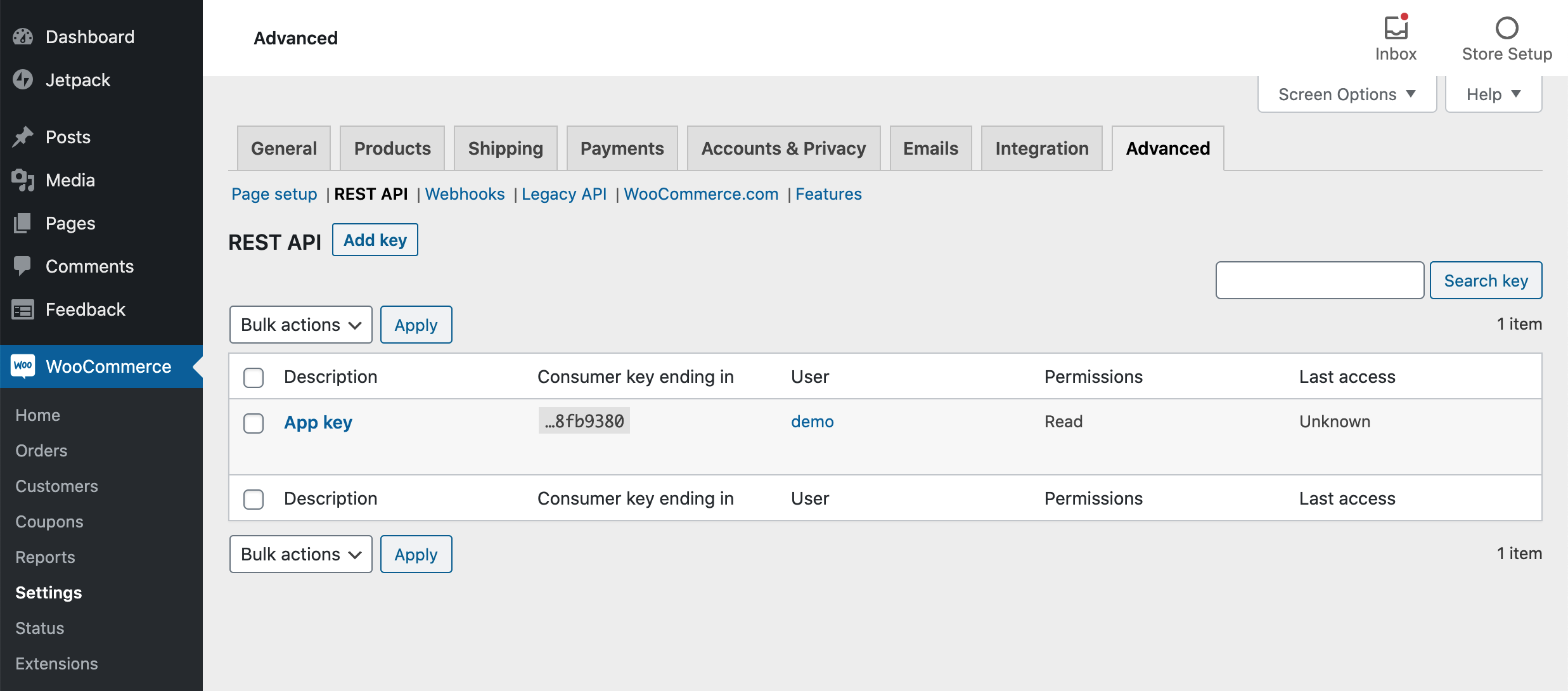
What makes WordPress uniquely suited for autoblogging and content automation is its technical openness. The REST API and XML-RPC interface allow external services—including AI writing platforms like RapidTextAI—to create, schedule, and publish posts programmatically. This means AI content tools can connect directly to your WordPress site without manual copy-pasting or administrative overhead.
This programmatic capability is the foundation upon which modern autoblogging workflows and AI content pipelines are built. WordPress isn't just a content management system—it's the central hub that connects content strategy, AI generation tools, and publication logistics into a unified, scalable system.
Source: zaidahmaddev.com
Key WordPress Features for Automated Publishing
- REST API integration enables seamless third-party connections
- Custom post types support diverse content formats
- Scheduled publishing maintains consistent posting cadence
- Plugin ecosystem extends functionality for SEO, caching, and analytics
- Multisite capabilities allow content distribution across networks
Autoblogging: From Gray-Hat Origins to Responsible Content Automation
The Evolution of a Controversial Content Strategy
In the early 2000s, autoblogging meant scraping RSS feeds and republishing content with minimal alteration. The goal was pure volume, and the result was predictable: search engines penalized these sites, and readers abandoned them entirely.
Modern autoblogging bears little resemblance to those dubious origins. Today, the practice refers to semi-automated content pipelines that combine strategic planning with automated execution. A responsible WordPress autoblogging workflow includes:
- Curated topic research based on keyword intent and content gaps
- AI-assisted drafting that produces original, structured content
- Scheduled publication through WordPress APIs at optimal times
- Automated SEO optimization including meta descriptions and internal linking
- Analytics feedback loops that inform future content decisions
This evolution reflects a fundamental shift in how publishers approach content automation. The goal is no longer to produce as much content as possible, but to produce content that serves a strategic purpose—at scale.
The Real Benefits of Automated Blogging with RapidTextAI
When implemented correctly, WordPress autoblogging workflows deliver legitimate competitive advantages:
Scalability with consistency. Human writers produce perhaps 1,500 to 2,000 words per hour at best, and their output varies with energy, motivation, and external distractions. AI-driven content pipelines with RapidTextAI can generate tens of thousands of words consistently, publishing on a predictable cadence that search engines and audiences alike reward.
Cost efficiency that changes the economic calculus. A full-time writing staff represents a significant fixed operational cost. An AI content automation stack costs a fraction of a single junior writer's annual salary—and can produce substantially more volume. For organizations with tight budgets and high content demands, this economics is compelling.
Rapid experimentation and iteration. Autoblogging enables publishers to test dozens of keyword strategies and content angles quickly. Underperforming topics can be identified and discarded within weeks rather than months, while winning approaches can be amplified immediately.
However, these benefits come with a critical caveat: they only materialize when content automation is paired with human oversight. The tools amplify your content strategy—they don't replace it.
The Risks That Can't Be Ignored in Automated Content
Search engines have become exceptionally sophisticated at identifying low-value automated content. Google's March 2024 core update explicitly targeted "scaled content abuse"—websites that mass-produce content with the primary purpose of manipulating search rankings, regardless of how that content is generated.
The risks extend beyond algorithm penalties. Duplicate content across domains creates canonicalization headaches. Readers who detect generic, impersonal writing lose trust in your brand. And content strategies built entirely on automation are fragile—they collapse if API prices rise, AI models change, or search algorithms shift their criteria.
Successful publishers treat autoblogging as a starting point, not a finished product. Human editors review drafts, inject original insights, verify facts, and ensure each piece serves a genuine user purpose. The best automated workflows are those where humans handle content strategy and quality control while algorithms handle the mechanical work of generation and publication.
RapidTextAI: A Critical Evaluation of the WordPress AI Content Generator
RapidTextAI positions itself as a purpose-built tool for content marketers and SEO professionals who need seamless integration between AI writing and WordPress publication. Unlike general-purpose AI assistants like ChatGPT, RapidTextAI is architected specifically for bulk content production workflows and WordPress autoblogging integration.
What RapidTextAI Offers for Content Automation
The platform's core capabilities are designed to address the administrative friction that plagues AI content production:
Bulk generation from spreadsheets. Users can upload a CSV file containing dozens or hundreds of keyword targets and generate corresponding articles in a single operation. This feature is essential for content managers who plan weeks of WordPress publication in advance.
WordPress integration that actually works. RapidTextAI connects directly to WordPress via API, enabling one-click scheduling and publishing to posts, categories, and custom post types. The connection is reliable and requires minimal technical setup—a significant advantage over manual workflows.
Model flexibility. The platform supports multiple AI models—including GPT-4 variants, Claude, and Gemini—allowing users to balance speed against quality based on their specific content needs.
Template library and localization. Custom prompt templates can be stored and shared across teams, while built-in translation tools enable multi-language content creation from a single source topic.
Where RapidTextAI Delivers Genuine Value for Autoblogging
The platform's greatest strength is workflow acceleration. While ChatGPT produces excellent output, it requires manual copy-paste, formatting, and publication—a process that becomes untenable at scale. RapidTextAI shortcuts this entire administrative cycle, making it viable for niche site operators who publish 10 to 20 WordPress posts daily.
The cost structure is also worth noting. Many AI writing tools charge per word or per token, which becomes exorbitant at high publication volumes. RapidTextAI's subscription tiers are based on the number of articles processed monthly, offering predictable budgeting for high-output content teams.
For organizations rebuilding a website after content loss, migrating from an older CMS, or launching new niche sites, RapidTextAI's bulk processing capability is genuinely valuable. Generating thousands of pages quickly is precisely what the platform is designed to do.
Where RapidTextAI Falls Short: Honest Limitations
Objective evaluation requires acknowledging the platform's limitations:
Output quality depends entirely on input quality. A user who uploads a spreadsheet of vague, keyword-stuffed topics will receive an equal volume of mediocre articles. The AI cannot compensate for weak strategic inputs—topical research, keyword intent analysis, and content clustering remain indispensable human responsibilities.
Algorithmic uniformity is detectable. Because RapidTextAI relies on consistent templates to deliver format predictability, generated articles can feel stylistically similar across batches. Experienced readers—and increasingly, search algorithms—can detect this cadence. Brands that rely on a distinctive authorial voice will find that raw output requires significant editorial refinement.
Factual accuracy cannot be guaranteed. AI models remain susceptible to inaccuracies and hallucinations. For YMYL (Your Money, Your Life) niches—health, finance, legal advice—publishing unverified AI content creates legal and reputational risks that no software setting can neutralize.
The user experience itself is solid. The interface is intuitive, connection failures are rare, and the platform delivers on its promise of getting content into WordPress with minimal friction. Organizations that maintain an editorial review layer between AI generation and publication report the best results. Those expecting fully autonomous content production are generally disappointed in both rankings and audience engagement.
The Integrated WordPress Autoblogging Workflow: Making These Tools Work Together
The real value of WordPress, autoblogging principles, and RapidTextAI emerges when they function as an integrated content automation system. A successful content operation follows a sequential process that balances automation with human judgment:
The Production Pipeline for Automated Content
Content strategy definition comes first. Editorial staff define content clusters, keyword targets, buyer personas, and SEO intent headers. This stage determines everything that follows—weak strategy produces weak content regardless of the automation tools used.
Data preparation bridges strategy and execution. Teams construct topic spreadsheets with search volume, keyword difficulty, URL slugs, and content brief parameters. This structured input is what enables RapidTextAI to generate useful drafts rather than generic filler.
AI generation handles the first draft. RapidTextAI processes the spreadsheets, incorporating target metadata and basic internal link suggestions into each article. The output is structured, formatted, and ready for human review.
Human quality control is non-negotiable. Editors review drafts for accuracy, tone, readability, and factual correctness. This is where the content either becomes valuable or remains generic—and it's the step that most failed automation strategies skip.
Scheduled posting maintains consistency. Approved pieces publish programmatically to WordPress at predetermined intervals, establishing a content cadence that search algorithms reward.
Analytics feedback closes the loop. Post-publication performance data flows back into the strategy spreadsheet, informing future rounds of content generation and refinement.
Maintaining Content Quality at Scale
Several practical strategies help preserve content quality even at high production volumes with WordPress autoblogging:
Use narrower research topics rather than vague one-word keywords. Specific, well-defined topics produce more useful AI output than broad subjects that invite superficial treatment.
Incorporate first-party data and proprietary insights. Adding original statistics, expert quotes, or internal data to AI-generated drafts injects authenticity that algorithms cannot replicate.
Establish an editorial benchmark checklist. Reviewers should consistently verify tone, readability, active voice usage, and technical accuracy against an explicit standard—not just skim for obvious errors.
Reserve AI for transactional content. Product guides, local SEO pages, and informational articles benefit from AI assistance. Thought leadership, deep-dive analysis, and content requiring primary-source interviews should remain firmly in human hands.
SEO Considerations Under Modern Search Algorithms
Search engines don't prohibit AI assistance or automated workflows—they penalize content that serves no human measure of usefulness. The practical implications for WordPress autoblogging are clear:
Every published article should have a clear purpose and a coherent angle that distinguishes it from the thousands of competing pieces on the same topic. Adding supplementary value—updated data, specific examples, expert opinions—transforms generic AI output into genuinely useful content.
Interlinking strategies should prioritize user navigation semantics over exact-match anchor text. Internal links exist to help readers find related content, not to manipulate ranking signals.
Core pages like About, Contact, and product descriptions should be written by humans. These pages represent your brand's identity, and AI-generated copy will undermine credibility with discerning visitors.
Strategic Recommendations for WordPress Autoblogging Success
The decision to invest in WordPress autoblogging pipelines with RapidTextAI depends entirely on your content objectives and organizational capabilities.
When This Content Automation Stack Makes Sense
For organizations with straightforward content tasks—producing informative product guides at scale, generating transactional local SEO pages, or translating an existing English library into localized languages—the combination works genuinely well. These use cases reward timeliness and coverage over profundity. If you approach content as an SEO utility that supports transactional search intent, this stack is pragmatically effective.
When to Avoid Over-Automation in Content Production
The model fails in environments where readers expect authority and unique insight. An enterprise B2B SaaS company trying to establish thought leadership will not succeed through autogenerated content. Editorial-style journalism, industry analysis requiring primary-source interviews, and content that depends on distinctive authorial voice remain firmly within human custody.
Best Practices for Implementing WordPress Autoblogging with RapidTextAI
If you adopt this toolkit, follow these guidelines for sustainable content automation:
Treat RapidTextAI as a drafting assistant, not a reliable ghostwriter. The platform produces first drafts that require human refinement to become publishable WordPress content.
Institute a mandatory human review gate for anything with commercial transaction potential. The cost of a factual error in product recommendations far exceeds the savings from automation.
Maintain a sustainable publication cadence. Two to four posts per week on a consistent schedule outperforms thirty posts published in a single day, which resembles spam behavior to search algorithms.
Invest in brand-specific custom prompts. The more your prompts reflect your unique positioning, tone, and content requirements, the closer AI output will be to publication-ready.
Monitor performance weekly through Google Search Console. Watch for manual actions and indexing coverage issues, and adapt promptly if performance dips.
Conclusion: Building a Future-Proof Content Automation Strategy
The intersection of WordPress, autoblogging best practices, and RapidTextAI represents a powerful evolution in digital publishing. WordPress provides the flexible, open foundation that makes programmatic content publication possible. Modern autoblogging frameworks deliver the consistency and scale that human teams cannot match. And RapidTextAI distinguishes itself as a workflow accelerator that significantly reduces the mechanical friction between content concept and published article.
But the strongest content operations will always recognize these technologies for what they are—amplifiers rather than replacements. Editorial judgment, topical authenticity, and measurable user value remain the engines underneath everything. The tools are ready. WordPress is prepared to receive. RapidTextAI is primed to draft. The only remaining question is whether your content strategy is strong enough to orchestrate all three into something genuinely valuable.
As AI models improve and search algorithms evolve, this content automation stack will continue to change. But the principle that governs its successful use will remain constant: automation amplifies strategy—it never replaces it. Build your WordPress autoblogging infrastructure on that understanding, and you'll be positioned to adapt whatever changes come next in the rapidly evolving landscape of AI-powered content creation.
---
If you're ready to build a content automation workflow that actually stands the test of algorithm updates, start by auditing your current publishing process. Identify where human oversight adds the most value, then explore how RapidTextAI can handle the mechanical heavy lifting. When you're ready to put these principles into practice, Subscribe Now to receive our weekly newsletter with actionable strategies for scaling content production without sacrificing quality.
Comments
Post a Comment