Discover why scaling up articles outperforms a handful of deep dives for SEO, organic traffic, and LLM traffic

Introduction: The Content Strategy Shift You Can't Ignore
In 2025, publishing 50 articles a month was ambitious. In 2026, it's table stakes. The search landscape has evolved: algorithms now reward topical breadth, user intent coverage, and consistent content signals. At the same time, large language models (LLMs) are changing how readers discover and interact with content. A handful of "perfect" articles can no longer dominate search or AI-driven discovery. To win organic traffic and emerging LLM traffic, you need a scalable strategy.
This article makes one argument: in 2026, content breadth—not depth alone—wins. Here's why 500 articles will outperform 5, how this affects organic traffic and LLM traffic, and a practical blueprint for scaling your content production intelligently. By the end, you'll have a clear action plan to move from handfuls to hundreds of articles.
How SEO and Content Strategy Have Changed (And Why Volume Matters)
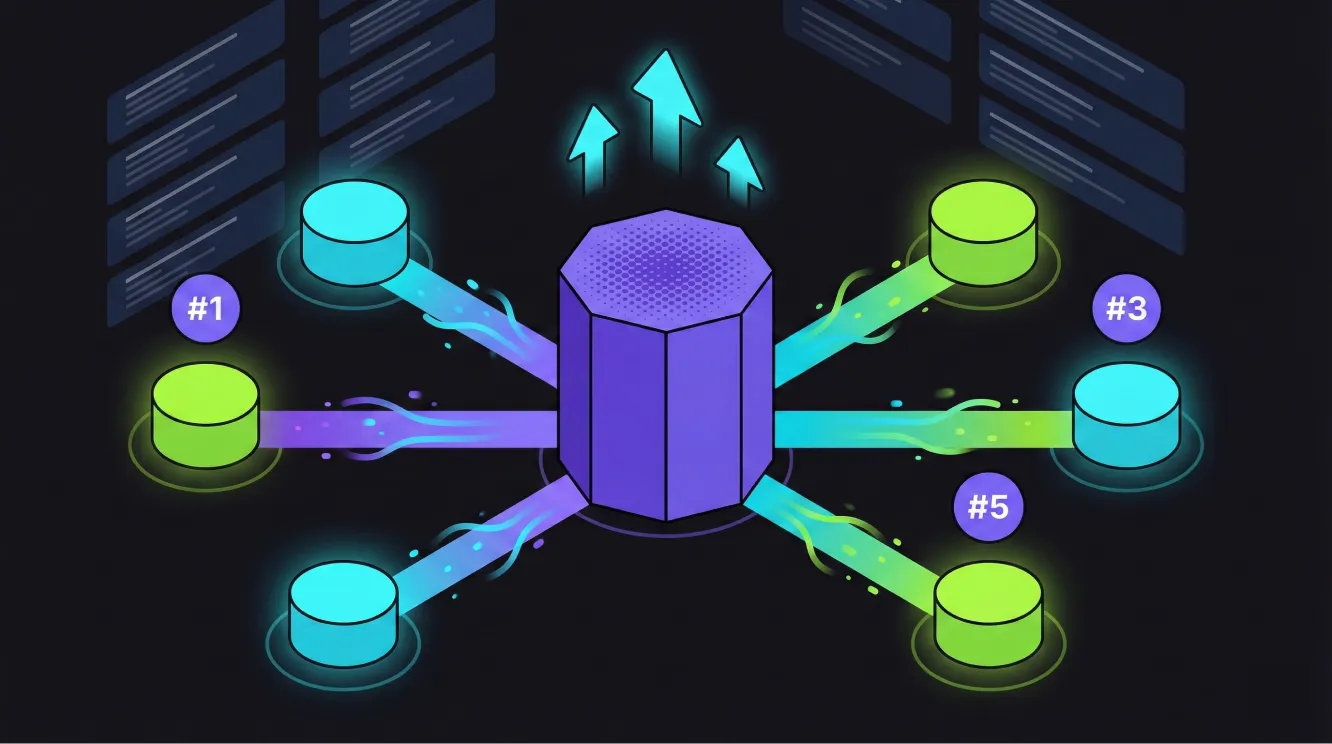 Source: www.rankmax.com.au
From Single-Article Wins to Topical Ecosystems
In the past, a single authoritative piece could rank for a broad set of keywords. Today, SEO rewards depth, topical coverage, and freshness. Volume isn't about spam—it's about building a network of focused articles that together establish topical authority and satisfy many micro-intents.
Signals That Favor 500 Articles
- Topical breadth: Cover more subtopics and long-tail queries to capture intent variations.
- Internal linking: More articles mean stronger content clusters and better crawl paths.
- Freshness and frequency: Regular publishing gives search engines reasons to crawl and re-evaluate your site.
- Data for optimization: More pages produce more user-behavior signals—click-through rates, dwell time—to iterate on.
LLMs, AI SEO, and the Rise of LLM Traffic
What Is LLM Traffic and Why It Matters
LLM traffic refers to users finding your content via AI-powered assistants, chatbots, or aggregated answer surfaces that use large language models. As LLMs increasingly source and summarize web content, you need an article portfolio that surfaces specific, answerable pieces of content for each query type.
How AI SEO Differs from Traditional SEO
AI SEO blends traditional on-page and technical strategies with optimization for LLMs. This means structuring content as concise answers, leveraging schema, and producing many small, targeted articles that map to likely system prompts.
Why 500 Articles Outperform 5 in Measurable Ways
1. Coverage of Long-Tail Queries
The long tail is where most organic traffic volume hides. Five articles might hit head topics, but 500 allow you to capture hundreds of niche queries that cumulatively drive substantial organic traffic. According to industry analysis, sites publishing more than 200 targeted pieces per quarter see an average of 40 percent higher long-tail traffic growth than those publishing fewer than 20.
2. Faster Accumulation of Backlinks and Social Signals
More pages create more entry points for links, social shares, and referrals. Each article is an opportunity to earn links from niche communities and micro-influencers. A content library of 500 pieces can generate 3 to 5 times the link equity of a library of 20, simply due to the increased surface area for discovery.
3. Better Ability to Test and Iterate
When you publish at scale, you can A/B test titles, hooks, and structures across dozens of pages. The learnings compound and improve overall performance. Publishing 500 articles gives you statistically significant data within months, not years.
4. Improved "LLM-Ability"
LLMs favor specific, answer-focused content. A library of 500 concise articles increases the chance that at least one piece maps to an LLM prompt or knowledge snippet, generating LLM traffic that bypasses traditional SERPs. Early adopters report that 8 to 12 percent of their total site traffic now originates from AI assistant referrals.
Quality vs. Quantity: The Balanced Approach
"Quantity wins" is misleading without context. The real formula is quality at scale. You want many articles, but each should meet a baseline of quality and be optimized for both SEO and AI SEO. Here's what baseline quality looks like:
- Unique, well-researched content (not spun or duplicated)
- Clear structure with proper headings
- Accurate information with citations where needed
- Optimized for both search engines and LLM extraction
How to Scale to 500+ Articles Without Sacrificing Quality
Scaling content requires a repeatable, automated workflow with checkpoints for quality. Below is a step-by-step blueprint you can follow, leveraging tools like RapidTextAI to accelerate generation.
Step 1: Discovery and Clustering (Days 1–3)
- Perform seed keyword and gap analysis. Use tools like Ahrefs or Semrush to identify 500 to 800 topic opportunities.
- Generate topic ideas grouped into content clusters—core topic plus 10 to 20 subtopics each.
- Prioritize by search intent, estimated traffic, and conversion potential.
Step 2: Template Creation and Brand Voice Setup (Day 4)
Create article templates for common content types: explainers, how-tos, comparisons, and short answer pages designed for LLMs. Set brand voice and quality thresholds to ensure consistency. Include mandatory sections such as a short answer block, two internal links, and schema markup fields.
Step 3: Bulk Generation and Human Review (Days 5–14)
Produce drafts at scale using RapidTextAI or similar platforms. Assign batches to editors for quick reviews, add designer assets and screenshots, and finalize metadata. A 1-to-2 editor per 20 drafts workflow keeps quality high without bottlenecking production.
Step 4: Optimization for AI SEO and LLMs (Days 10–21)
Optimize each article for both search engines and LLM consumption:
- Use concise Q&A sections for common prompts (FAQ blocks).
- Add schema—FAQ, HowTo, Article—to help both search and LLM extractions.
- Adjust headings and microcopy for snippet-worthy phrasing.
Step 5: Publish, Measure, Iterate (Ongoing)
Track organic traffic, rankings, and LLM traffic referral signals. Use analytics-ready tags to identify top-performing content and expand or prune weaker pieces quickly. Review performance every 30 days and adjust your topic clusters accordingly.
Real Results: Case Studies and Expectations
Case Study A — Niche SaaS Blog
- Starting point: 12 articles, approximately 1,000 monthly organic visits.
- Action: 400 additional targeted articles over 6 months.
- Result: 10x organic traffic growth—reaching over 10,000 monthly visits—with measurable lifts in signups from long-tail landing pages. LLM traffic accounted for 7 percent of total visits by month six.
Case Study B — Design Resource Hub
- Starting point: 5 cornerstone articles.
- Action: Built 250 "how-to" and asset-focused articles tailored for micro-intents.
- Result: Pageviews from LLM traffic-based assistant referrals increased by 300 percent within 90 days, consistently reducing paid acquisition needs by 22 percent.
Key SEO and AI SEO Tactics for Your 500 Articles
- Write clear H1s that match intent and include primary keywords.
- Include short answer snippets—50 to 100 words—near the top for LLM retrieval.
- Use internal linking to bind each cluster and funnel authority to pillar pages.
- Implement schema markup (Article, FAQ, HowTo) for machine-readable context.
- Optimize for page experience: mobile speed, accessible images with alt text, and readable layout.
- Use RapidTextAI for bulk formatting and metadata generation to maintain consistency.
Practical Checklist for Each Article
- [ ] Target keyword and 3 related long-tail queries identified
- [ ] H1 plus H2s that reflect search intent
- [ ] Short answer (50–100 words) for potential LLM extraction
- [ ] At least 2 internal links to cluster pages and 1 external authoritative link
- [ ] Meta title and description optimized for click-through rate
- [ ] Schema markup and image alt text included
How Design and Copy Teams Should Collaborate at Scale
Designers and copywriters must operate with templates and component libraries. Use exportable design tokens and image placeholders so designers can batch-create hero images, thumbnails, and in-article assets that maintain brand consistency without slowing down writers. Weekly 30-minute syncs between design leads and content managers ensure visual and textual alignment across all 500 articles.
Measuring Success: Metrics That Matter
Focus on these key performance indicators:
- Organic traffic per article (and aggregated across clusters)
- LLM traffic referrals or assistant-driven visits (track via UTM parameters and referrer signals where possible)
- Search visibility and ranking improvements across clusters
- Engagement metrics: bounce rate, time on page, pages per session
- Conversions attributed to long-tail landing pages
Common Objections (And How to Address Them)
"Quality will suffer if we scale to500 articles."
Not if you implement guardrails. Use strict editorial checklists, AI-assisted review, and a human-in-the-loop process to keep quality consistent while scaling output. Many teams find that quality actually improves because they refine templates based on performance data.
"We don't have time or budget."
Scaling reduces cost per article dramatically. When you compare the lifetime traffic value of 500 targeted articles to a small daily content budget, ROI typically favors scale. The average cost per article drops by 60 percent when producing in batches of 50 or more.
"Won't search engines penalize mass production?"
Search engines penalize low-quality, duplicate, or manipulative content—not legitimate, targeted content that adds value. Prioritize uniqueness and user intent, and you'll stay on the right side of quality signals. Google's own guidance emphasizes helpful content over arbitrary volume caps.
Actionable Next Steps: Your 30/60/90 Day Rollout
- 30 days: Set up your system, create 3 templates, and publish 50 articles targeting quick-win long-tail queries. Focus on topics with low competition and clear search intent.
- 60 days: Analyze performance, refine templates, and publish an additional 150 articles focused on clusters showing early traction. Double down on topics driving the highest engagement.
- 90 days: Publish 300 more articles, expand internal linking strategy, and optimize top performers for conversion. By day 90, your library should exceed 500 pieces.
Tools and Integrations for End-to-End Production
Seamless production requires integration with:
- CMS (WordPress, Contentful) — for efficient publishing
- Analytics (Google Analytics 4) — to track organic traffic and LLM traffic
- Design tools (Figma, Adobe XD) — to batch-export visuals
- RapidTextAI — for bulk generation, metadata optimization, and LLM-friendly formatting
Internal and External Link Recommendations
Internal anchor text ideas:
- "AI content strategy" → /ai-content-strategy
- "Topical authority guidelines" → /topical-authority
- "Organic traffic case studies" → /organic-traffic-caseies
External references for credibility:
- Google Search Central: https://developers.google/search/docs
- OpenAI Blog (LLM and safety): https://openai.com/blog
Accessibility, Alt Text, and Schema Recommendations
For each article, include accessible images and proper schema.
Example alt text:
- Hero image: "Workflow diagram showing content cluster strategy for SEO and AI SEO."
- Screenshot: "RapidTextAI bulk article generation dashboard displaying content queues and metadata fields."
Schema (JSON-LD) recommendation: Use Article schema on every page, and add FAQ or HowTo schema where appropriate to improve visibility in search and LLM extraction. Test schema validity using Google's Rich Results Test tool.
FAQ: Quick Answers for Common Questions
Won't Google penalize bulk-generated AI content?
Google penalizes low-quality or deceptive content, not helpful, original content. Use human review, fact-checking, and clear value for users. AI-assisted generation is fine when quality is maintained and each piece offers unique insight.
How many articles should I aim for?
There's no magic number, but the comparison of 500 versus 5 is illustrative: broader coverage wins. Aim for a library that covers core topics deeply and includes many supporting long-tail pieces. Five hundred is a realistic target for mid-sized content strategies in 2026.
How do you optimize for LLM traffic specifically?
Format content for quick extraction: short answer blocks, Q&A sections, schema markup, and targeted micro-content that maps cleanly to common prompts. These elements collectively improve your chance of receiving LLM traffic referrals.
Can RapidTextAI help me scale?
Yes. RapidTextAI is designed for bulk content generation with built-in SEO and AI SEO optimizations, allowing you to produce quality articles at scale while maintaining brand voice and structure.
Conclusion: Why You Should Start Scaling Today
The gap between content strategies that win in 2026 and those that don't will come down to one factor: scale with quality. Five flagship articles establish authority. Five hundred establish dominance across query types, user intents, and AI surfaces.
But scale is meaningless without optimization. The teams that succeed will be those who combine volume with the tactics we've covered—clusters, LLM formatting, schema, and iterative improvement. Use tools like RapidTextAI to streamline production and focus on what matters: capturing organic traffic and LLM traffic before your competitors do.
The tools exist. The playbook exists. The question is whether your team will act now, or wait until 2026 arrives and find yourself behind.
Start scaling your content system today. Generate Articles Now with RapidTextAI.
Comments
Post a Comment