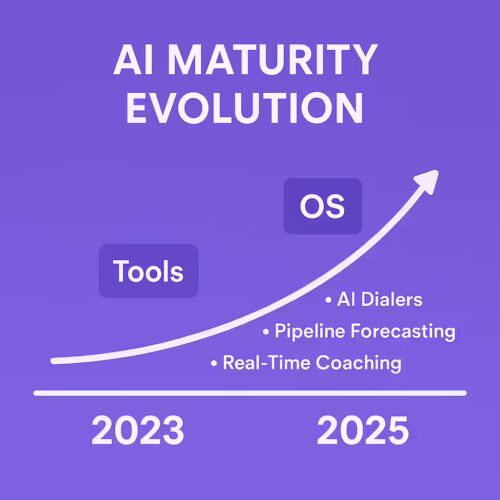
 Source: www.kixie.com
Evolution of AI Content Tools: From 2023 to 2025
The trajectory of AI content generation has been remarkably rapid over the past two years. In 2023, the market dominated by basic text generation tools that could produce simple articles or social media posts. These early tools often lacked contextual understanding and struggled with factual accuracy, leading to content that required significant human editing. Marketers and founders were cautious, viewing AI as a supplementary tool rather than a primary content creator.
By 2024, the landscape shifted significantly. Major players began integrating web search capabilities into their AI models, enabling more accurate and contextually relevant content. This integration addressed a critical pain point: the inability of early AI tools to access real-time information. Platforms like RapidTextAI emerged as pioneers, combining large language models (LLMs) with web crawling and indexing features. This allowed for content that was not only generated quickly but grounded in current data.
In2025, we see a mature ecosystem where AI content tools are sophisticated, user-friendly, and deeply integrated into marketing workflows. RapidTextAI represents the pinnacle of this evolution, offering features such as real-time optimization, multi-platform content generation, and seamless collaboration with human creators. The transition from 2023 to 2025 marks a shift from "AI as a novelty" to "AI as a strategic asset," with RapidTextAI leading the charge in this transformation.

Web Search + AI: The Foundation of Factual Content Creation
A key differentiator of modern AI content tools is their ability to leverage web search data for factual accuracy. This integration solves a major challenge of early AI models—relying solely on training data without real-time updates. RapidTextAI, for instance, uses web crawling to gather current information, ensuring that generated content remains relevant and trustworthy. This approach aligns with the principles outlined in [1], which emphasizes the importance of LLM SEO tools that track performance across AI search engines.
The process works as follows: when a user inputs a topic, RapidTextAI first performs a web search to gather the latest information on that subject. It then uses this data to train the LLM, which generates content that is both creative and factually sound. This dual approach—combining web search with AI generation—creates content that is superior to either method alone. For example, a marketing team using RapidTextAI can generate a blog post on "sustainable fashion trends" that includes the latest statistics from industry reports, recent news articles, and expert opinions, all verified through web search.
This integration also addresses the risk of "hallucinations"—a common issue with early AI models where they fabric information. By grounding content in real web data, RapidTextAI ensures that the output is reliable and suitable for professional use. The result is content that not only meets SEO requirements but also maintains the trust of the audience, a critical factor in today's digital landscape.
 Source: seovendor.co
Impact on SEO, Topical Authority, and Content Velocity
The impact of AI content generation SEO has been profound, particularly with the rise of AI-powered search engines. Traditional SEO strategies focused on keyword optimization and backlink building, but these methods are becoming less effective as search algorithms evolve. According to [1], organic click-through rates (CTR) fell by 34.5% after Google introduced the AI Overview feature, highlighting the shift in user behavior toward AI-driven search results.
AI content tools like RapidTextAI are designed to adapt to this new reality. By generating content that aligns with the requirements of LLMs, they help marketers improve their visibility in AI search results. For example, RapidTextAI's content is structured to include conversational language, semantic relevance, and contextual depth—key factors that LLMs prioritize. This ensures that the generated content not only ranks well but also provides value to users, which is increasingly important as search engines reward high-quality, user-centric content.
Topical authority is another area where AI content generation excels. RapidTextAI allows teams to create consistent, high-quality content across multiple, building authority in their niche. This is particularly beneficial for founders and SaaS teams looking to establish themselves as thought leaders. By generating content on a regular basis, they can maintain a strong presence in their industry, which helps with both SEO and brand recognition.
Content velocity—creating content at a rapid pace without compromising quality—is another significant benefit. Traditional content creation can be time-consuming, involving research writing, editing, and publishing. With RapidTextAI, marketers can generate multiple pieces of content in hours, allowing them to respond quickly to trends and maintain a consistent publishing schedule. This is especially valuable for SEO, as search engines favor websites that publish fresh, relevant content regularly.
Human-AI Collaboration vs. Fully Automated Workflows
A common debate in the AI content space is whether to rely on fully automated workflows or to maintain human-AI collaboration. RapidTextAI takes a balanced approach, recognizing that while AI excels at certain tasks, human creativity and strategic direction are irreplaceable. This model allows marketers to provide creative direction while the AI handles the heavy lifting, resulting in content that is both efficient and effective.
-AI collaboration offers several benefits. First, it ensures that the content aligns with the brand's voice and values. AI models, while sophisticated, may not always capture the nuances of a brand's messaging. A human editor can review and refine the content to ensure it meets these standards. Second, human input can add emotional intelligence and storytelling elements that AI alone cannot replicate. For, a marketing team might use RapidTextAI to generate a blog post on "customer success stories," but a human editor can add personal anecdotes and emotional depth to make the content more engaging.
Fully automated workflows, on the other hand, can be efficient but may lack the strategic oversight needed for complex. While they can handle repetitive tasks, they may not be able to adapt to changing market conditions or audience needs. RapidTextAI's approach mitig these risks by allowing users to adjust parameters, review drafts, and provide feedback, ensuring that the final output meets their expectations.
Best practices for human-AI collaboration include:
- Defining clear objectives and guidelines for AI content generation
- Providing feedback to the AI to improve future outputs
- Reviewing and editing AI-generated content before publication
- Using AI as a tool to enhance productivity rather than replace it
Risks and Challenges: AI Detection, Content Saturation, and Compliance
Despite the benefits, AI content generation comes with several risks and challenges that marketers must address. The most significant concern is AI detection. As AI-generated content becomes more prevalent, search engines and platforms are developing tools to identify it. If detected, content may be penalized or removed which can harm SEO rankings and brand reputation. RapidTextAI addresses this by generating content that is indistinguishable from human writing, using techniques such as varied sentence structures, natural language patterns, and contextual relevance.
Content saturation is another challenge. With AI tools enabling rapid content creation, there is a risk of overwhelming the market with low-quality content. This lead to a decline in user engagement and search engine visibility. To mitigate this, RapidTextAI encourages users to focus on quality over quantity. The platform includes features that help users identify high-potential topics and ensure that content is unique and valuable.
Compliance is also a critical consideration. Marketers must ensure that AI-generated content adheres to regulations such as GDPR, CCPA, and other data privacy laws. RapidTextAI includes compliance features that help users avoid sensitive topics and ensure that content is appropriate for their target audience. Additionally, the platform provides transparency about the content generation process, which is essential for maintaining trust with users.
Future Outlook: AI-Powered Content Platforms
Looking ahead, the future of AI content generation is bright. We can expect to see trends that will further enhance the capabilities of platforms like RapidTextAI. trend is the integration of multimodal content, where AI generates not just text but also images, videos, and audio. This will enable marketers to create comprehensive content experiences that engage users across multiple channels.
Another trend is real-time optimization. As AI models improve, we can expect platforms to offer real-time feedback on content performance, allowing marketers to adjust strategies on the fly. RapidTextAI is already working on features that provide insights into how content performs in AI search results, helping users optimize their content for better visibility.
Integration with other tools is also becoming more important. RapidTextAI is developing integrations with popular marketing platforms, such as SEMrush, Google Analytics, and social media management tools. This will allow users to streamline their workflows and get a holistic view of their content performance.
Finally, we can expect to see more advanced human-AI collaboration features. As AI models become more sophisticated, they will be able to handle more complex tasks, freeing up human creators to focus on strategic thinking and creative direction. RapidTextAI is in AI that can understand context and intent, enabling more natural and effective collaboration between humans and machines.
Conclusion
The evolution of AI content generation from 2023 to 2025 has been transformative, with RapidTextAI leading the way in redefining digital marketing. By integrating web search with AI, the platform has addressed the limitations of early tools and created content that is accurate, relevant, and effective for SEO. The impact on topical authority and content velocity has been significant, helping marketers and founders build stronger brands and reach wider audiences.
However, the journey is not without challenges. AI detection, content saturation, and compliance require careful attention. But with the right approach—human-AI collaboration and a focus on quality— risks can be mitigated.
As we look to the future, the potential of AI content generation is vast. With multimodal content, real-time optimization, and advanced collaboration features, we can expect to see even more innovative applications in the coming years. For marketers, founders, and SEO professionals, the time to embrace AI generation is now. RapidTextAI is the platform that can help you stay ahead of the curve and achieve your marketing goals in 2025 and beyond.
Subscribe to RapidTextAI today and experience the future of content creation. Join thousands of marketers, founders, and SEO professionals who are already using RapidTextAI to transform their digital marketing strategies. Get started a free trial and see how AI can elevate your content and drive results.
The article clearly explains why combining web search with AI generation can be valuable for factual content creation. Using current information from web sources alongside language-model generation can help address the limitation of relying only on previously learned data, while also giving the generated content a stronger connection to recent statistics, reports, and developments.
ReplyDeleteThe discussion of grounding AI-generated content in retrieved information is particularly relevant to understanding how AI systems can reduce the risk of unsupported or outdated responses. Learning how AI tools use search, context, and generation together provides a useful foundation for practical AI Tools Training.
The article also highlights an important balance between automation and factual reliability: web data can improve the information available to a model, but the quality of the retrieved sources and the way they are interpreted still matter. Understanding these workflows is therefore valuable for anyone developing or evaluating AI-powered applications through ChatGPT Developer Training.
ReplyDelete